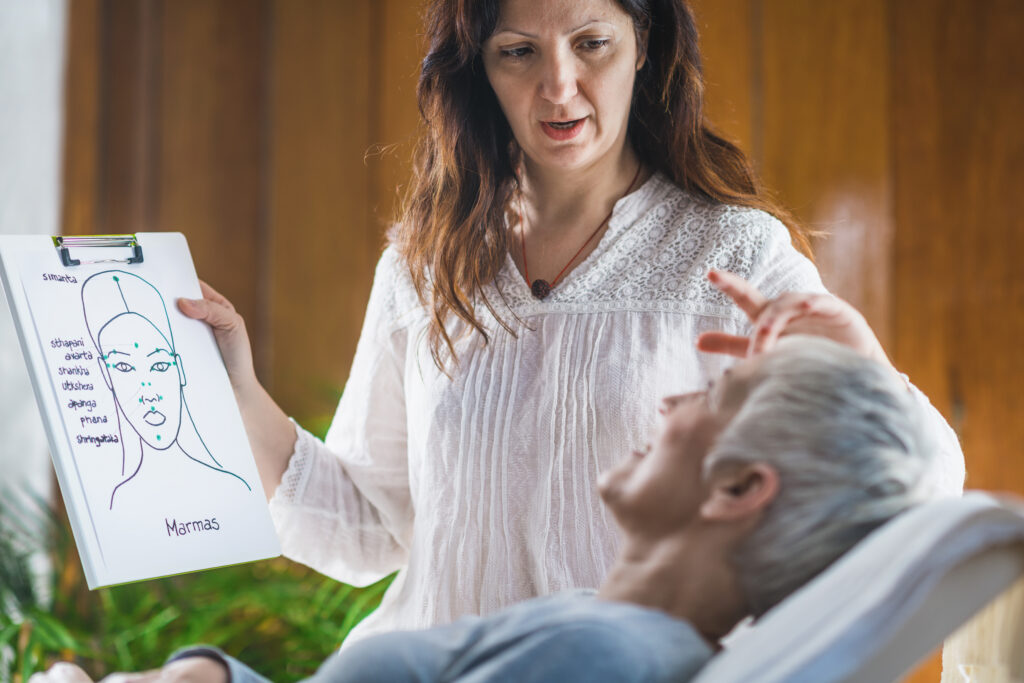
For many women, surviving breast cancer doesn’t mean the journey is over. Fatigue, anxiety, hot flashes, and scar discomfort can linger long after treatment ends. It’s no surprise that some survivors explore alternative or complementary therapies to support their recovery and well-being.
But not all therapies are created equal. While some approaches have been studied and can safely complement medical care, others carry risks or lack scientific evidence. Our guide explores common alternative therapies for breast cancer survivors: what’s promising, what needs caution, and how to decide what feels right for you.
Disclaimer: This article is for educational purposes only and does not replace professional medical advice. Always consult your healthcare provider before starting any new therapy or supplement.
Why Survivors Explore Alternative Therapies
- To manage lingering treatment side effects (fatigue, pain, hot flashes)
- To reduce anxiety and stress
- To improve sleep and overall quality of life
- To feel empowered and more in control of their body
Exploring options beyond conventional medicine is a natural part of healing. The key is knowing which therapies are supportive and which may interfere with recovery.
Complementary Therapies with Evidence
1. Acupuncture
- What it is: Tiny needles placed at specific points on the body.
- Evidence: Studies suggest acupuncture may reduce hot flashes, improve sleep, and ease treatment-related pain.
- Tip: Choose a licensed practitioner experienced in working with cancer survivors.
2. Massage Therapy
- What it is: Therapeutic touch using gentle pressure techniques.
- Evidence: Can help relieve stress, improve circulation, and ease muscle stiffness. Specialized oncology massage is safest.
- Note: Avoid deep tissue massage directly over surgical areas or ports.
3. Yoga and Gentle Movement
- What it is: A blend of stretching, breathing, and mindfulness.
- Evidence: Shown to improve fatigue, flexibility, and emotional well-being in survivors.
- Safe pick: Restorative yoga or modified classes tailored for post-surgery bodies.
4. Mind-Body Practices (Meditation, Tai Chi, Guided Imagery)
- Evidence: Regular practice can reduce stress hormones, calm anxiety, and improve quality of life.
- Tip: Apps and online guided sessions make these accessible at home.
For more ways to nurture yourself during recovery, see our guide on self-care during your cancer treatment.
Approaches That Need Caution
Herbal Supplements
- Some herbs may interact with cancer medications or increase bleeding risk.
- Examples: St. John’s Wort, high-dose green tea extracts, and certain antioxidant supplements.
- Always review supplements with your oncologist or pharmacist.
Extreme Diets or “Detox” Plans
- Promises of “cleansing” the body can be misleading and nutritionally risky.
- Survivors need balanced nutrition to heal and thrive.
- For evidence-based guidance, read our article on diet and lifestyle changes to reduce breast cancer recurrence.
Energy Healing Practices
- Reiki and similar practices may provide relaxation and comfort, but scientific evidence is limited.
- If you find peace through these, use them as complements, not replacements, for medical care.
Talking with Your Healthcare Team
It’s common to feel nervous about telling your doctor you’re exploring alternative options. But honesty is essential. Many providers support complementary therapies when used safely alongside conventional treatment.
- Bring a list of what you’re considering.
- Ask about possible drug interactions.
- Inquire if your hospital or cancer center offers integrative services.
Finding Safe and Supportive Options
Look for:
- Licensed practitioners with oncology experience
- Programs offered through hospitals or cancer centers
- Peer-reviewed resources from organizations like the American Cancer Society or National Cancer Institute
If you’re considering therapies for scar discomfort, mobility, or body image, our piece on exercises and stretches for scar tissue management may also be helpful.
Quick Guide: Alternative Therapies for Breast Cancer Survivors
| Therapy | Evidence / Benefits | Cautions |
| Acupuncture | May reduce hot flashes, pain, and improve sleep | Must be done by a licensed practitioner; avoid if you have low platelet counts or risk of infection |
| Massage Therapy | Reduces stress, eases stiffness, improves circulation | Avoid deep pressure over surgical sites, ports, or lymphedema areas |
| Yoga / Gentle Movement | Improves flexibility, reduces fatigue, enhances mood | Choose restorative or oncology-informed classes; avoid intense poses early in recovery |
| Meditation / Tai Chi | Lowers anxiety, supports emotional health | Minimal risk; may take practice to feel effective |
| Herbal Supplements | Some claim energy or immune benefits | Can interact with medications; avoid without medical guidance |
| “Detox” Diets | Marketed as cleansing or healing | Often unsafe or nutrient-poor; survivors need balanced diets |
| Energy Healing (Reiki) | May provide comfort, relaxation, stress relief | Lacks scientific backing; safe as complementary, not a replacement for medical care |
Exploring alternative therapies as a breast cancer survivor can be empowering — as long as they’re chosen wisely. Practices like yoga, acupuncture, and meditation have promising evidence, while supplements and extreme diets should be approached with caution.
Most importantly, remember: you don’t have to choose between medicine and wellness. The best healing happens when science-backed treatments and supportive complementary practices work hand in hand.