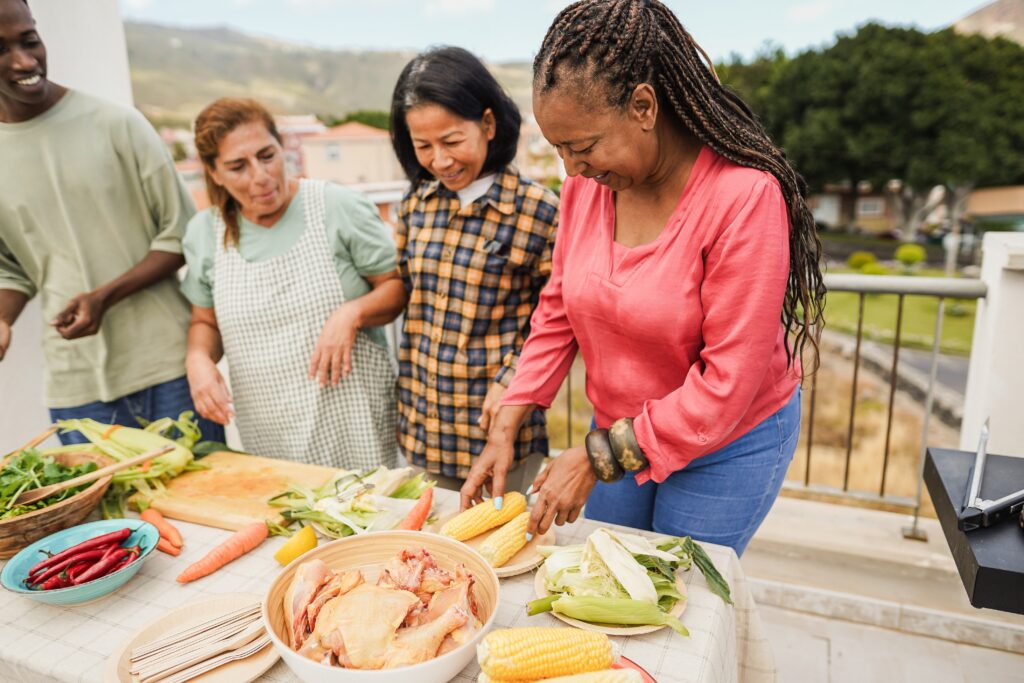
The holiday season brings celebrations, gatherings, and a table full of comforting dishes that many of us look forward to all year. For women, especially those navigating hormonal changes, recovery after breast surgery, or life after breast cancer treatment, this time of year can feel exciting but also overwhelming. Changes in routine, rich meals, late nights, and stress can take a toll on your energy and overall wellness.
A good holiday does not require a perfect diet. It simply needs mindful nourishment that helps you feel your best. This guide was created to help women enjoy the season without guilt, pressure, or restriction, while still supporting their bodies with foods that improve energy, digestion, immunity, and comfort.
Healthy eating during the holidays is not about eating less. It is about choosing foods that help you feel supported and satisfied.
Start With Gentle, Balanced Meals
During busy holiday weeks, many women skip meals or eat irregularly. This can lead to low energy, cravings, and overeating later in the day. Regular, balanced meals help keep your blood sugar stable and your mood more steady.
A balanced plate includes:
- Protein for fullness and strength
- Fiber for digestion
- Healthy fats for hormone support
- Colorful vegetables for vitamins and antioxidants
Protein is especially important for women recovering from surgery or rebuilding strength after treatment.
If you are navigating recovery, you may find our article on healing after a mastectomy helpful for understanding how nutrition and movement work together during healing.
Hydrate Through the Cold Weather
Cold air outside and heated indoor spaces can easily lead to dehydration, even when you do not feel thirsty. Dehydration can increase fatigue, headaches, dry skin, and cravings.
Try to drink water steadily throughout the day by:
- Keeping a bottle nearby
- Drinking warm water with lemon
- Choosing herbal tea
- Adding hydrating foods like oranges, berries, and soups
Hydration also supports lymphatic health, which is especially important for women who have experienced lymph node removal or who are managing swelling. If you are learning about lymphedema and want supportive guidance, our post mastectomy lymphedema guide may be helpful.
Enjoy Holiday Foods Without Guilt
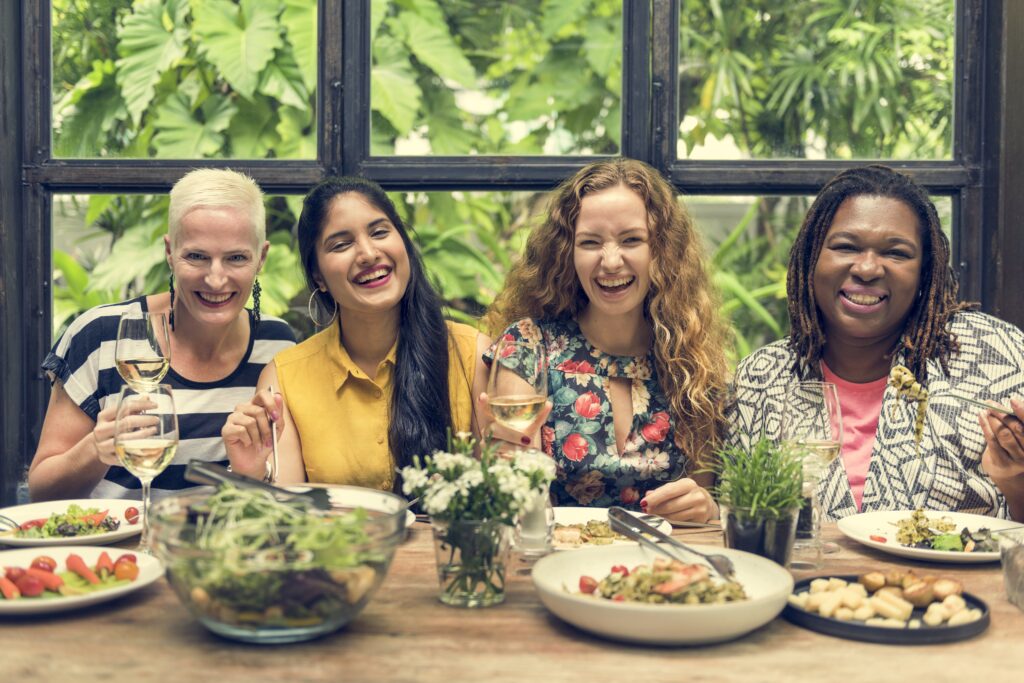
Food is a part of celebration, connection, and tradition. You can enjoy your favorite holiday dishes while still making choices that support your health.
Here are gentle ways to balance comfort and nourishment:
- Eat what you genuinely enjoy instead of eating everything available
- Slow down when eating so your body can register fullness
- Add vegetables to your plate first to support digestion
- Pair desserts with protein or healthy fat to reduce sugar crashes
- Honor hunger instead of waiting too long to eat
You do not need to label foods as good or bad. Instead, choose foods that make you feel comforted, energized, and satisfied.
Support Your Digestion During Festive Meals
Rich holiday food can sometimes lead to bloating or discomfort. Supporting your digestion is a loving way to care for yourself during the season.
Consider the following:
- Start meals with a warm soup
- Add greens or fiber rich vegetables
- Walk for 10 minutes after eating
- Drink water between meals
- Avoid skipping meals during the day
For women who have gone through treatment, digestive changes are common. If you want to support your long term health and feel better from the inside out, our guide on diet and lifestyle changes to reduce breast cancer recurrence offers helpful nutrition insights.
Choose Winter Foods That Boost Wellness
Winter is a wonderful time to enjoy seasonal produce that is nourishing and immune supportive.
Great winter foods for women include:
Protein sources
Chicken, turkey, tofu, beans, lentils, eggs
Healthy fats
Olive oil, salmon, avocado, nuts, seeds
Fiber rich vegetables
Carrots, squash, leafy greens, Brussels sprouts
Immune boosting fruits
Citrus fruits, apples, berries, pomegranates
Comforting whole grains
Oats, brown rice, quinoa, barley
These foods support balanced energy, gut health, hormones, and overall recovery.
Honor Your Body’s Changing Needs
Women often feel pressured to eat small portions, maintain a certain weight, or hide their appetite. The holidays can make these feelings more intense. Remember that your body’s needs change depending on:
- Age
- Hormones
- Stress levels
- Recovery after treatment
- Medications
- Activity levels
Giving yourself permission to eat when you are hungry, rest when you are tired, and choose foods that help you feel good is essential for holiday wellbeing.
Plan Small, Nourishing Moments Between Events
Instead of focusing on eating “perfectly,” create small supportive habits between holiday gatherings.
Some ideas include:
- Preparing a simple breakfast like yogurt with fruit
- Packing a healthy snack when running errands
- Drinking water before coffee
- Adding vegetables to your lunch
- Eating regular meals during event heavy weeks
- Choosing warm soups on cold days
These little nourishing moments make a big difference in how you feel.
The Best Holiday Nutrition Plan Is a Compassionate One
There is no single right way to eat during the holidays. What matters most is that you feel comforted, supported, and energized. Whether you are a survivor, navigating treatment, or working toward better wellness, you deserve to enjoy this time without pressure.
If you need support choosing comfortable clothing or bras that help you feel your best through the winter season, our fitters at Front Room Underfashions are always ready to help. You can schedule a private fitting here if needed:
Schedule Custom Fitting
A good holiday starts with gentle care, balanced meals, and kindness toward yourself. You deserve all three.