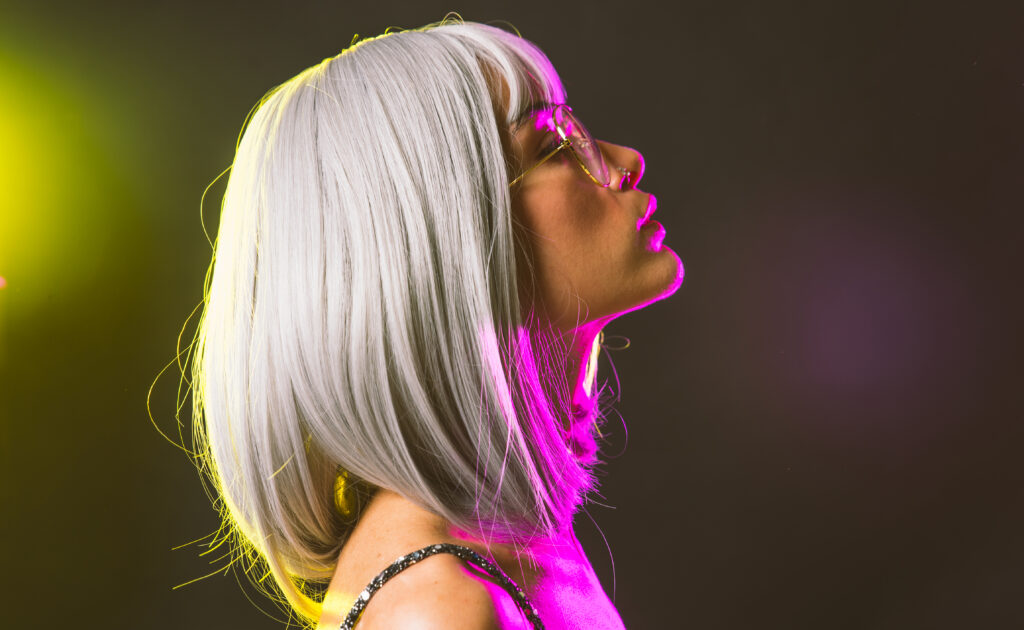
Low lighting can make even your favorite wig feel suddenly wrong. A style that looks natural in daylight might seem flat, shiny, or overly obvious under restaurant lights, dim rooms, or evening settings. If you’ve ever caught your reflection at night and felt a wave of self-consciousness, you’re not imagining things—lighting really does change how wigs appear.
The good news is that making wigs look good in low lighting isn’t about buying a whole new wig or obsessing over perfection. Small, intentional adjustments can make a noticeable difference.
Why Wigs Can Look Different at Night
Low or artificial lighting changes how shadows, shine, and texture show up. Common issues women notice include:
- Excessive shine that looks unnatural
- Loss of depth or dimension in darker spaces
- Hairlines appearing harsher under overhead lights
- Styles looking flatter or heavier than expected
These effects happen regardless of wig quality and are especially common with synthetic wigs, though human hair wigs can also be affected.
Reduce Shine Without Damaging the Wig
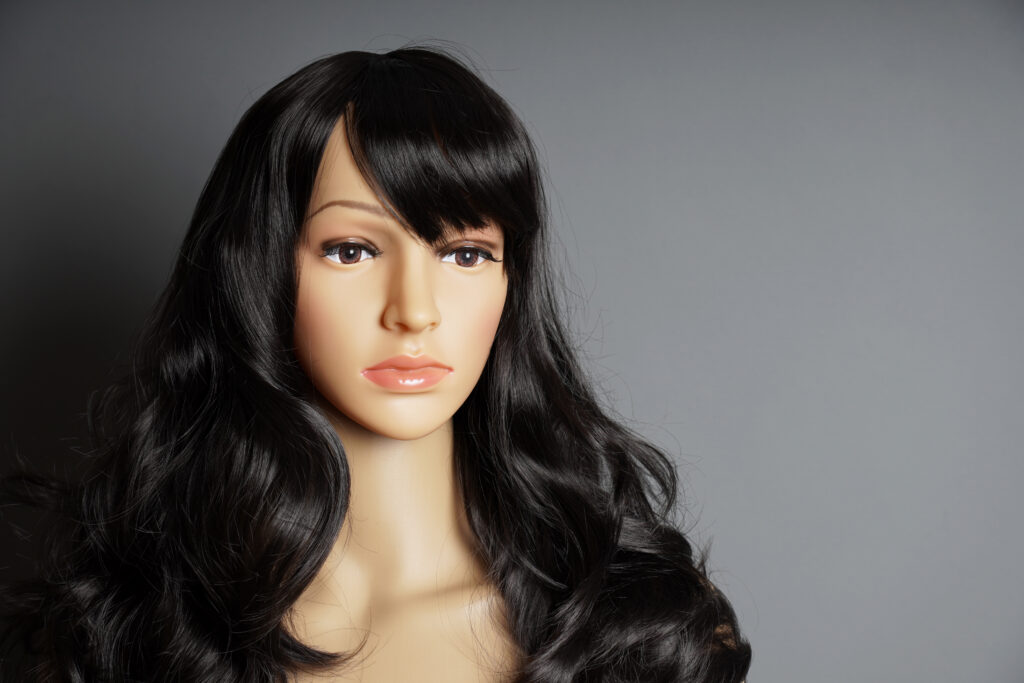
Shine is the number one giveaway in low lighting, especially under warm or yellow-toned lights.
To soften shine:
- Use a light dusting of dry shampoo or wig-safe matte spray
- Avoid heavy serums or oils before evening wear
- Gently brush to redistribute fibers rather than flatten them
Less is more here. The goal is to diffuse light, not dull the wig completely. Too much product can weigh hair down and make it look stiff, which can be just as noticeable as excess shine.
If you’re wearing a synthetic wig, it helps to understand how shine behaves differently compared to human hair. This breakdown of human hair wigs versus synthetic wigs explains why lighting affects them in unique ways.
Create Depth With Subtle Texture
Flat wigs tend to look more obvious in dim settings. Adding soft texture helps light bounce more naturally.
Try:
- Loosely separating fibers with your fingers
- Adding gentle waves instead of sleek styles
- Avoiding overly uniform part lines
Texture creates shadow and movement, which reads as more natural under low light. Even small variations in direction or curl can make a wig look less “set” and more lived-in.
If you’re unsure how to style safely, this synthetic wig styling guide offers helpful do’s and don’ts.
Pay Attention to the Hairline
Low lighting often exaggerates contrast at the hairline, especially when light hits from above.
To soften it:
- Adjust the part slightly off-center
- Use a bit of powder or foundation that matches your skin tone along the part
- Make sure lace or edges are fully blended before heading out
Hairlines don’t need to be perfect to look natural, but harsh lines tend to stand out more in dim environments. A slightly imperfect, softened look usually reads better than a sharply defined one.
If hairline realism is something you struggle with, this guide on what to look for in a quality wig breaks down the features that matter most.
Choose Styles That Work With Evening Settings
Some styles simply perform better at night.
Evening-friendly wig styles often include:
- Soft waves or curls
- Slightly layered cuts
- Medium volume rather than ultra-sleek looks
Very straight, blunt styles tend to reflect light more evenly, which can make them appear less natural in dim environments. If you love sleek looks, adding a touch of bend or movement can make a noticeable difference.
If you’re still experimenting, this article on wig fit vs wig style can help you prioritize what makes the biggest difference.
Lighting-Proof Your Confidence
The goal isn’t to make your wig invisible. It’s to make it feel like you.
Most people aren’t scrutinizing your hair under restaurant lighting—they’re engaged in conversation, movement, and connection. When your wig feels secure, comfortable, and familiar, it shows.
If low-light situations still feel stressful, you may find reassurance in this guide to wearing wigs for confidence.
It’s All About Perception and Intentional Choices
Making wigs look good in low lighting doesn’t require perfection or constant checking. It comes down to a few intentional choices that work together:
- Reduce excess shine so light reflects more softly
- Add subtle texture to create depth and movement
- Soften the hairline to avoid harsh contrast
- Choose styles that naturally perform better in evening settings
Once those basics are in place, the most important step is letting yourself relax into the moment. Confidence in low lighting doesn’t come from flawless hair—it comes from not thinking about it every second.
Dim lights, evening conversations, and social settings are meant to be enjoyed. When your wig feels comfortable and familiar, it fades into the background where it belongs, allowing you to take center stage.