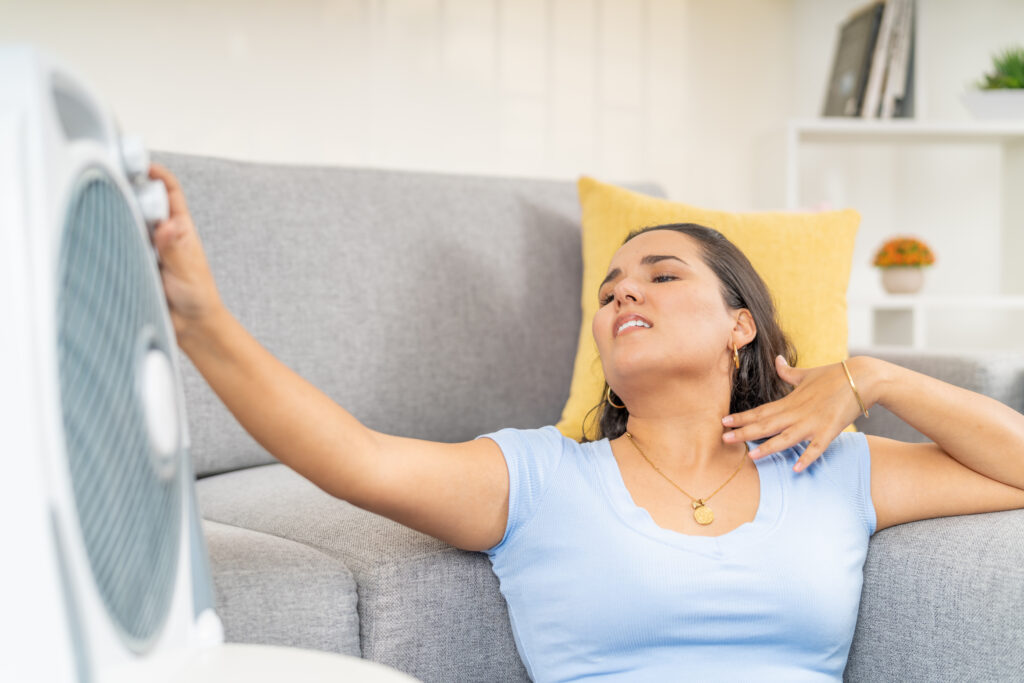
When the weather cools down, indoor heating quietly becomes part of daily life. It keeps us warm, comfortable, and functional—but it also changes the environment your body is living in. For women recovering from surgery, managing scars, or dealing with ongoing sensitivity, indoor heating can have a much bigger impact than expected.
Dry skin, tight scars, itching, irritation, and even discomfort under bras or clothing are often blamed on healing itself. In reality, indoor heat plays a significant role.
This article breaks down how indoor heating affects skin and scars, why comfort can suddenly feel harder to maintain, and what you can do to reduce irritation without overhauling your routine.
Why Indoor Heating Affects the Body More Than You Think
Most indoor heating systems drastically reduce humidity. Warm air holds less moisture, and as heaters run for hours at a time, moisture is pulled from the air—and from your skin.
For people without sensitive skin, this may show up as mild dryness. For women recovering from breast surgery or managing scar tissue, the effects are often amplified.
Common changes include:
- Increased skin dryness and flaking
- Scar tissue feeling tighter or less flexible
- Heightened itchiness or irritation
- Clothing and bras suddenly feeling uncomfortable
If your skin has felt more reactive in colder months, you’re not imagining it. Many women notice similar issues during recovery, especially when healing overlaps with winter conditions.
How Indoor Heat Impacts Healing Skin and Scars
Healing skin lacks the same protective barrier as uninjured skin. Scars, surgical sites, and areas affected by radiation or swelling lose moisture more quickly and respond poorly to dryness.
Indoor heating can:
- Slow down the skin’s ability to retain moisture
- Increase tightness in scar tissue
- Make scars feel itchy or uncomfortable under pressure
- Heighten sensitivity to seams, bras, and fabrics
This is why scar areas may feel more uncomfortable indoors than outdoors, even when temperatures are mild.
If you’re actively managing scar healing, this guide on reducing scarring after breast surgery offers additional context on why hydration and skin care matter long-term.
The Connection Between Dry Skin and Everyday Comfort
Dry skin isn’t just a cosmetic issue. It directly affects how clothing feels against your body.
When skin loses moisture:
- Friction increases between skin and fabric
- Bras and bands feel tighter or more noticeable
- Seams and straps become irritating
- Sensitivity increases throughout the day
This can be especially frustrating when your bras technically fit but suddenly feel unbearable. Many women assume they need new bras, when the underlying issue is skin dryness and environmental irritation.
If this sounds familiar, you may find clarity in this article on why old bras can feel worse in colder months.
Why Scars Feel Tighter in Heated Spaces
Scar tissue behaves differently than normal skin. It has less elasticity and relies heavily on surrounding moisture and movement to stay flexible.
Dry indoor air can cause scar tissue to:
- Feel stiff or restricted
- Pull more noticeably when you move
- Become itchy or irritated under pressure
- Feel more sensitive to touch
This tightness can show up as discomfort when reaching, twisting, or even sitting for long periods. Gentle stretching and consistent hydration are often more effective than pushing through the discomfort.
If scar tightness has been an ongoing concern, this resource on scar tissue management after breast surgery explains why environment plays a role in long-term comfort.
Indoor Heating and Sensory Overload
After surgery or treatment, many women experience heightened sensory awareness. Indoor heating can quietly contribute to this by drying out skin and amplifying physical sensations.
What might feel like:
- “Everything is suddenly irritating”
- “My clothes are bothering me more than usual”
- “I feel uncomfortable all day for no clear reason”
Often has a physical explanation tied to dryness and sensitivity rather than emotional stress or poor healing.
This overlap between physical comfort and emotional wellbeing is common during recovery. If you’ve felt overwhelmed by these changes, this article on post-mastectomy mental health may resonate.
Simple Ways to Reduce the Impact of Indoor Heating
You don’t need to eliminate indoor heating to feel better. Small adjustments can make a noticeable difference.
Consider:
- Using a humidifier in frequently used rooms
- Applying fragrance-free moisturizers consistently, not just when skin feels dry
- Choosing softer, breathable fabrics that reduce friction
- Avoiding overly hot showers that strip natural oils
- Giving scars extra hydration and gentle movement
Comfort improves when skin is supported, not stressed.
If winter dryness has been affecting your skin specifically, this guide on staying moisturized during cold weather offers practical tips.
Dry Air and Heat Can Cause Problems
Indoor heating is often overlooked as a source of discomfort, but its effects on skin, scars, and overall comfort are real, especially during recovery or long-term healing.
Dry air can increase irritation, tighten scar tissue, and make everyday clothing feel more intrusive than it should. Understanding the role your environment plays allows you to address discomfort more gently and effectively.
Comfort isn’t just about what you wear or how far along you are in healing. Sometimes, it’s about the air around you and learning how to work with it rather than against it.