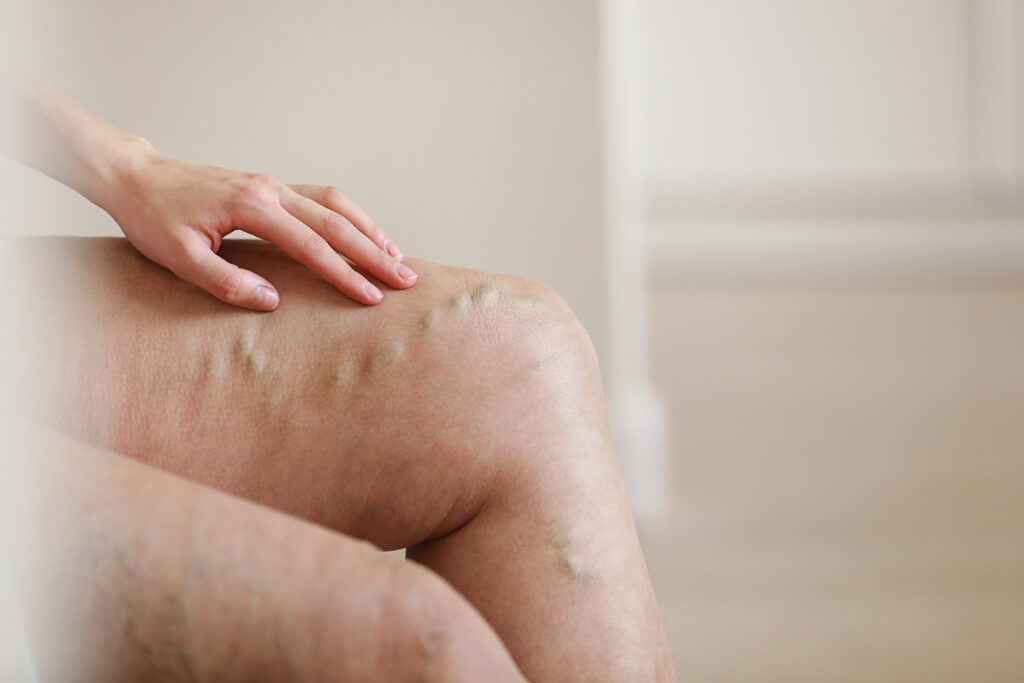
As the temperature drops, you might notice that your body reacts differently especially if you’re living with lymphedema after breast cancer treatment.
Cold weather can bring its own set of challenges: stiffness, swelling that feels unpredictable, and discomfort that makes layering or compression garments more complicated.
At Front Room Underfashions, we understand that lymphedema isn’t just a physical condition it affects how you dress, how you move, and even how confident you feel. Our goal is to help you stay warm, comfortable, and supported all winter long, with expert advice from our professional mastectomy fitters and compression specialists.
Understanding Lymphedema in Cold Conditions
Lymphedema occurs when lymph fluid builds up in soft tissue, often in the arm, breast, or chest area after lymph node removal or radiation therapy.
In warmer months, swelling often increases due to heat and humidity. But cold weather brings its own challenges just in a different way.
Here’s what happens in the cold:
- Blood vessels constrict: When temperatures drop, blood and lymph flow can slow down, making drainage less efficient.
- Muscles stiffen: Cold muscles move less, and that reduced motion can increase the risk of fluid pooling.
- Skin becomes drier and tighter: Dryness and cracks can make skin more vulnerable to irritation or infection.
Knowing how your body responds allows you to adjust your daily routine, your clothing, and your compression habits.
Dress in Layers That Support Circulation
Layering properly isn’t just about staying warm it’s also about maintaining healthy circulation.
When you have lymphedema, you need layers that insulate without restricting movement or cutting off flow.
Start with a breathable base layer:
Choose thin, soft fabrics like cotton or moisture-wicking blends to keep sweat away from the skin. Avoid heavy seams or anything that presses directly against the affected area.
Add warmth gradually:
Instead of one thick sweater, use multiple lighter layers. This keeps your body temperature stable while letting you adjust if you start to feel too warm, important because overheating can cause swelling flare-ups.
Pay attention to compression fit:
If you wear a compression sleeve or garment, always put it on before you add outer layers. Never layer tight sleeves or elastic cuffs over your compression garment, as that can restrict lymph flow.
If your current sleeve feels too tight or too loose in colder months (as fabric and skin elasticity can change), it may be time for a professional refit.
You can read more about how compression works and when to refit in our Lymphedema Treatment Guide for Post-Mastectomy Patients.
Keep Your Skin Moisturized and Protected
Cold air is dry air, and dry air means moisture loss which can make lymphedema symptoms worse. Cracked or flaky skin can allow bacteria in, increasing infection risk (especially cellulitis).
Keep your skin hydrated with these gentle habits:
- Use a fragrance-free, hypoallergenic moisturizer twice a day, especially after bathing.
- Apply lotion before putting on your compression sleeve, but let it absorb fully first.
- Avoid long, hot showers that strip the skin of natural oils.
- Protecting hands with gloves when going outside cold air can cause constriction and pain, especially if you’ve had lymph nodes removed.
If you’re unsure what ingredients to look for, visit our article on Dealing With Dry Skin After Breast Surgery for safe moisturizing tips that won’t irritate sensitive skin.
Stay Active (Even Indoors)
Movement is one of the most effective ways to keep lymph fluid flowing. When it’s too cold to walk outdoors, simple indoor exercises can help maintain mobility and circulation.
Try these gentle routines:
- Arm raises or circles to promote lymph drainage.
- Wall push-ups or light resistance band stretches for upper body movement.
- Deep breathing exercises to stimulate the diaphragm, which encourages fluid movement.
If you’re new to post-surgery exercise, check out Exercising After Mastectomy: A Comprehensive Guide to Recovery and Wellness for step-by-step guidance tailored to your stage of healing.
Watch for Signs of Changes in Swelling
Cold weather might make swelling less visible, but that doesn’t mean it’s gone.
Here’s what to monitor:
- Increased tightness or heaviness in the affected arm or chest
- Rings or sleeves feeling snug when they weren’t before
- Changes in skin color or texture (shiny, pale, or red)
If you notice these signs, elevate your limb, do gentle movement, and check your compression fit. Persistent or painful swelling should always be reviewed by your healthcare provider.
Stay Warm, But Don’t Overheat
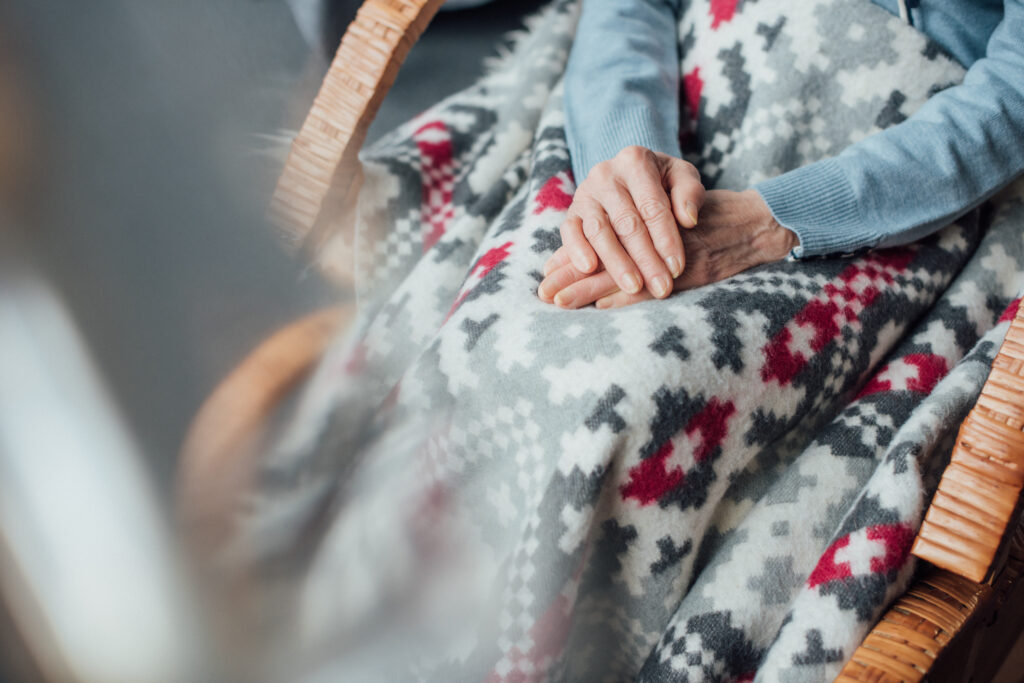
Overheating can trigger swelling, even in winter. That means balance is key to keep warm without trapping too much heat.
Here’s how:
- Avoid electric blankets or heating pads directly over the affected limb; they can cause blood vessel dilation and swelling.
- Choose adjustable wraps or scarves that let you regulate warmth easily.
- Keeping indoor humidity comfortable dry heat can make your skin and lymph system sluggish.
You might find that your body reacts differently from one day to the next. That’s normal. Lymphedema often requires small daily adjustments.
Reassess Your Compression Garments
Compression sleeves and garments experience wear over time. Elastic fibers can weaken, especially in winter when you wash and dry them more frequently.
You might need:
- A second pair of sleeves to rotate during the week
- Slightly different compression strength if your swelling pattern changes
- Re-sizing if your arm’s circumference has changed since your last fitting
At Front Room Underfashions, our certified fitters can assess your garment’s condition and recommend updated options designed for year-round comfort.
Gentle Self-Care Goes a Long Way
Above all, listen to your body. Rest when you need to, moisturize when your skin feels tight, and layer with care.
If something feels off numbness, burning, or sudden swelling don’t ignore it. The earlier you adjust, the easier it is to prevent flare-ups.
Lymphedema may be lifelong, but it doesn’t have to control your life. With consistent care, comfortable clothing, and professional support, you can stay warm, active, and confident all season.
Cold Weather Doesn’t Have to Be Bad Weather
Cold weather can be challenging for anyone, but for women managing lymphedema, it calls for extra mindfulness.
Smart layering, gentle skin care, and the right compression garments make all the difference between enduring winter and enjoying it.
At Front Room Underfashions, our mission is to help you live beautifully and comfortably through every season. If your current compression garment no longer feels right, or you’re unsure how to pair it with your winter wardrobe, visit us in-store or schedule your custom fitting today.
Together, we’ll make sure your comfort and confidence never go cold.