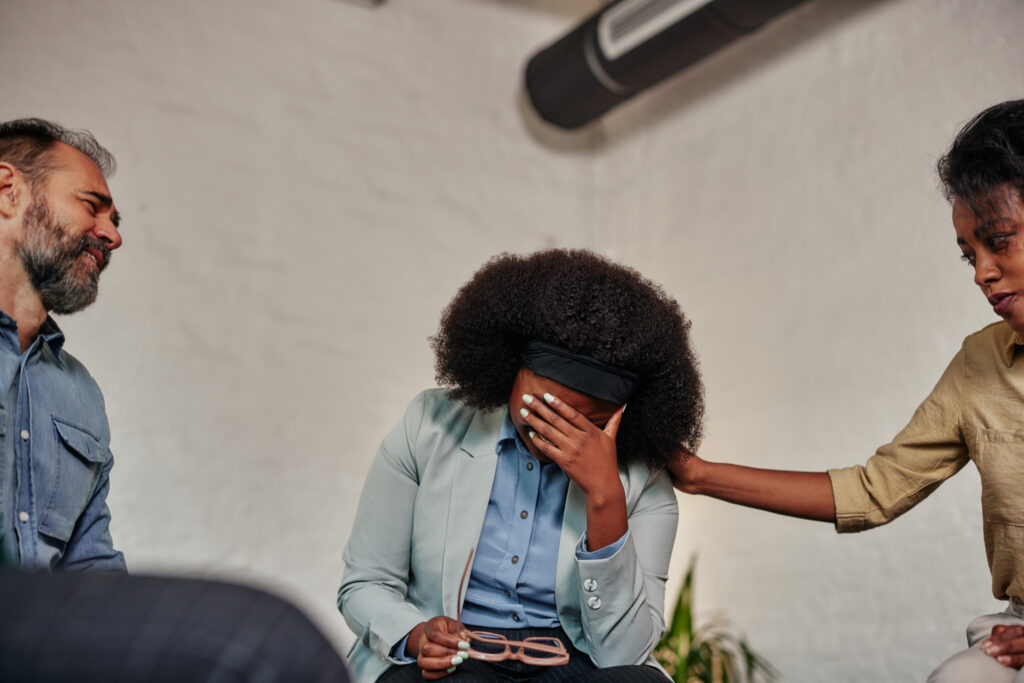
You’ve made it through surgery, treatment, appointments, tests, and long nights filled with uncertainty. But as you enter the recovery phase, you may find something unexpected lingering, not physical fatigue, but emotional exhaustion.
If this sounds familiar, you’re not alone. Many breast cancer survivors experience what’s known as mental burnout after treatment ends. You’re grateful to be “done,” but you might also feel drained, anxious, unmotivated, or emotionally numb.
This post-cancer burnout is real, valid, and worthy of attention. More importantly, you don’t have to push through it alone.
What Is Mental Burnout After Cancer Recovery?
Mental burnout after cancer isn’t just “being tired.” It’s the deep emotional depletion that can happen when your mind has been in survival mode for too long. After months (or years) of fighting, your brain may be waving a quiet white flag, asking for rest and support.
Signs of mental burnout might include:
- Feeling emotionally flat or disconnected
- Struggling to find motivation, even for things you used to enjoy
- Brain fog or forgetfulness
- Irritability, anxiety, or sudden sadness
- Guilt about not feeling “grateful enough” after recovery
- Avoiding social situations, even with loved ones
Some women describe it as “feeling lost after being so focused on surviving.” Others say they feel like they’re “just going through the motions.”
And yes, you can experience this months or even years after treatment ends.
Why Does It Happen?
When you’re in active treatment, your days are full: doctor visits, medications, care teams, schedules. Everyone checks in. You’re surrounded by a support system, even if it’s clinical.
But once treatment ends, the world expects you to “get back to normal.”
Yet your version of normal has changed.
You’re navigating a new body, new fears, and sometimes a new identity. That transition can be overwhelming, especially when the adrenaline and constant attention fades.
When Should You Seek Support?
You don’t need to wait until you’ve “hit a wall” to ask for help. But if you’re noticing any of the following, it’s time to reach out:
- You cry more often or not at all, but feel emotionally numb
- You dread each day, even if nothing is “wrong”
- You isolate yourself or avoid activities you used to enjoy
- You’re having trouble sleeping or sleeping too much
- You feel stuck in a loop of guilt, worry, or self-criticism
- You have intrusive thoughts about recurrence, identity loss, or trauma
These aren’t signs of weakness. They’re signs that your emotional healing needs just as much attention as your physical recovery.
For practical guidance on reclaiming confidence and identity after breast cancer, read Post-Mastectomy Mental Health: Reclaiming Yourself After Breast Cancer Treatment.
Where Can You Find Support?
1. Professional Therapy or Counseling
A therapist trained in cancer survivorship, trauma, or grief can help you work through burnout and give you tools for rebuilding your mental energy.
Look for:
- Oncology social workers
- Counselors specializing in post-cancer care
- Therapists trained in trauma or cognitive behavioral therapy (CBT)
Don’t know where to start? Ask your oncologist or primary care provider for a referral or explore teletherapy platforms that specialize in women’s health.
2. Support Groups for Survivors
Sometimes, the best therapy is hearing “me too.” Support groups, whether in person or virtual, can help you feel seen and supported by others who get it.
Check out our list of Best Online Support Groups for Women With Breast Cancer to find the right community for your needs and stage of recovery.
3. Journaling or Expressive Writing
Putting your feelings into words can reduce anxiety, organize your thoughts, and bring clarity. You don’t need to write perfectly, just honestly.
Need a little nudge? Read The Power of Journaling: Writing Your Breast Cancer Journey for tips on how to begin.
4. Gentle Movement and Mindfulness
Yoga, walking, or guided meditation can help regulate your nervous system and reconnect your body and mind. Even a 10-minute breathing session can give your mind some rest.
If you’re also recovering physically, explore our article on Exercising After Mastectomy for gentle ways to move without pushing too hard.
5. Honest Conversations With Family or Friends
Burnout can be isolating but loved ones often want to help. You might say:
“I’m feeling really drained, even though treatment is over. I just need someone to listen.”
Or:
“I don’t feel like myself, and I’m working on it. Can we do something low-key together this weekend?”
And Remember: Recovery Isn’t a Race
There’s no finish line to healing. Some days will feel full of hope and light. Others may feel heavy. That’s normal.
You don’t have to “bounce back” or “stay strong” every day.
What matters is showing up for yourself with gentleness, compassion, and the willingness to ask for support when you need it.
You’re still healing. You’re still growing. And you’re still incredibly strong even when you feel tired.
At Front Room Underfashions, we don’t just care about how you look, we care about how you feel. From compression support to confidence tools, and everything in between, we’re with you through it all.