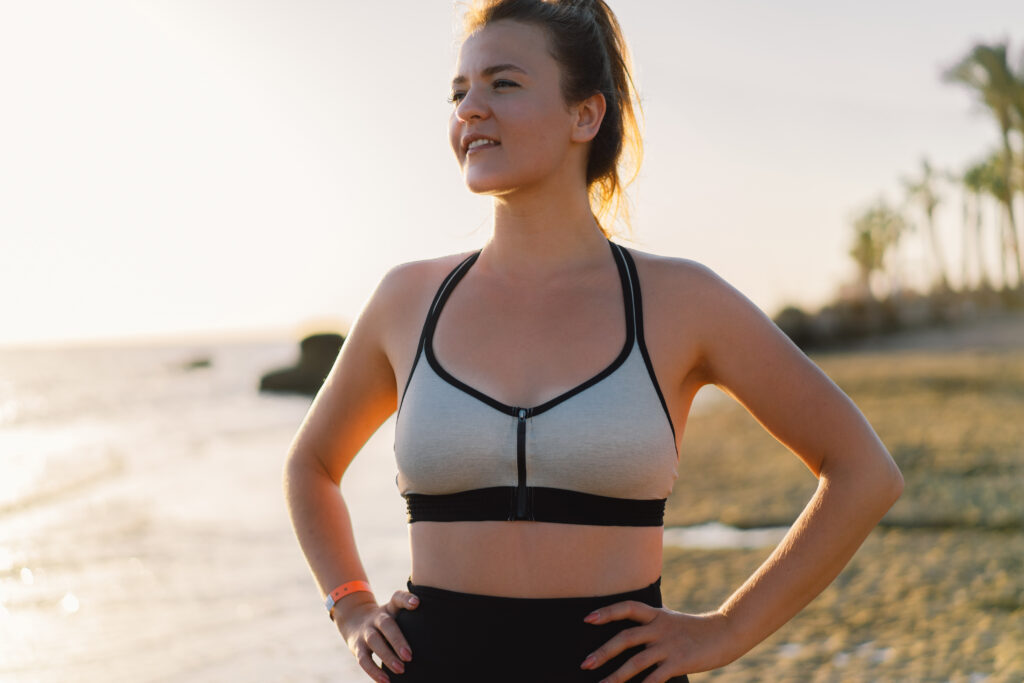
As the weather warms up, many women naturally begin moving more. Walks become longer. Errands turn into outdoor outings. Exercise routines restart. Gardening, travel, and social events increase.
If you wear a mastectomy bra or breast prosthesis, you may notice something unexpected during this seasonal shift.
What felt comfortable all winter suddenly feels different.
Spring activity can subtly change how your bra fits and how your breast form moves. This does not necessarily mean something is wrong. But it does mean your body and lifestyle may be asking for small adjustments.
Let’s explore why this happens and what you can do about it.
1. Increased Arm Movement Changes Strap Tension
During winter, movement is often limited. Heavier clothing restricts range of motion. Activity levels may be lower.
In spring, you may begin:
- Reaching overhead more frequently
- Walking longer distances
- Lifting light weights
- Pushing strollers or carts
- Gardening or cleaning
More upper body motion can affect strap tension and band stability.
If your straps begin digging, slipping, or shifting during activity, it may be a sign that your bra needs adjusting or that it is not designed for higher movement levels.
For more detailed guidance, you may find our article on post-mastectomy bra guide for active women helpful. Activity-specific support can make a significant difference in comfort.
2. Warmer Temperatures Affect Fabric and Fit
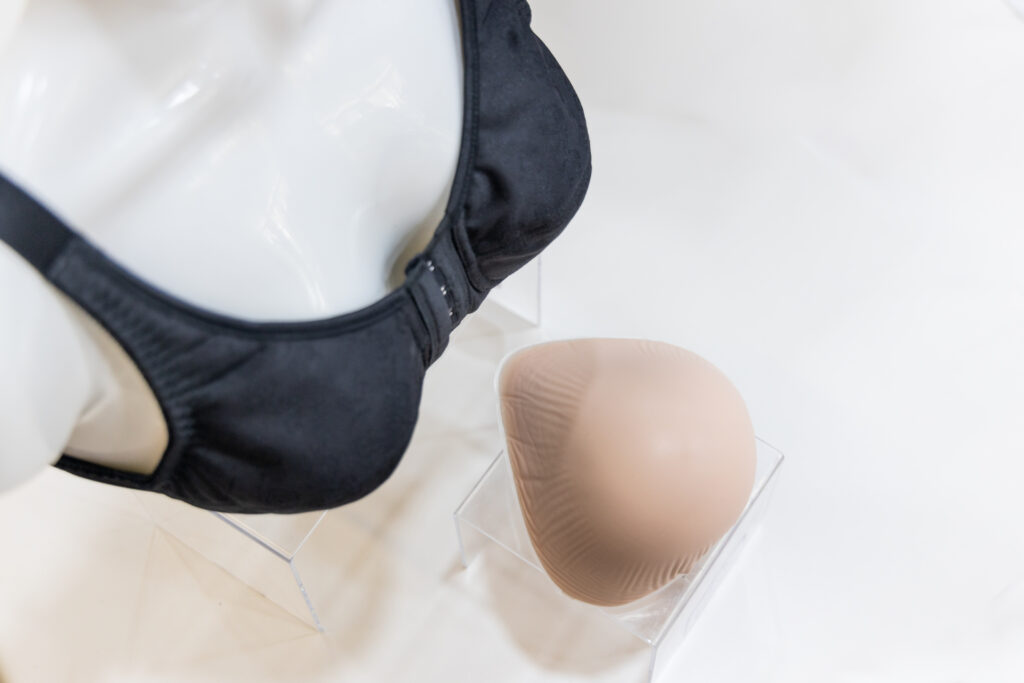
Heat changes how materials behave.
Elastic bands soften in warmer weather. Moisture increases friction. Skin may become more sensitive after surgery or radiation.
You might notice:
- The band rolling slightly
- The bra feeling tighter later in the day
- Increased skin irritation
- Red marks that last longer than usual
This is especially important for women wearing breast forms. A secure pocket and stable band are essential for keeping the prosthesis balanced during movement.
If the foundation of the bra is not supportive enough, increased motion combined with warmth can lead to shifting or imbalance.
3. Increased Activity Can Highlight Fit Issues
Low activity levels can sometimes mask minor fit problems.
When movement increases, those small issues become more noticeable.
For example:
- A slightly loose pocket may allow the breast form to move during brisk walking
- A band that felt fine indoors may ride up during outdoor activity
- A prosthesis that felt balanced at rest may feel heavier during longer outings
If you begin to feel asymmetry or subtle pulling through your shoulders, it may be time to reassess both bra fit and prosthesis weight.
Our guide to breast prosthesis fitting post mastectomy explains how proper fit impacts alignment, comfort, and long-term posture.
4. Weight Fluctuations and Muscle Changes
Spring fitness routines often bring small but meaningful body changes.
You may experience:
- Slight weight loss or gain
- Increased muscle tone in the upper body
- Changes in posture
- Improved shoulder strength
Even a small shift in muscle tone can alter how a mastectomy bra sits on the ribcage.
If your bra feels tighter across the back or looser at the band after a few weeks of increased movement, that is not uncommon.
Similarly, if you are engaging in more structured exercise, a traditional daily mastectomy bra may not provide enough stability for repeated motion.
In that case, reviewing options in our article on how to choose post mastectomy sports attire may help you identify features designed specifically for movement.
5. Prosthesis Movement During Exercise
Breast forms are carefully designed to mimic natural weight and movement. However, increased physical activity can create new sensations.
You might notice:
- Subtle shifting when walking quickly
- A feeling of heaviness during longer outings
- Slight rotation inside the pocket
These sensations do not automatically mean your prosthesis is the wrong size. Sometimes the bra style is simply not optimized for higher activity.
In other cases, it may be worth evaluating whether your prosthesis weight still matches your comfort level.
Over time, as your body adapts and strengthens, your support needs can evolve.
6. Skin Sensitivity After Treatment
For women who have undergone surgery, radiation, or reconstruction, skin can remain sensitive for years.
Increased sweating and friction during spring activity may cause:
- Tenderness along the scar line
- Irritation beneath the band
- Redness near the underarm area
Choosing softer fabrics, wider bands, and moisture-wicking materials can reduce irritation.
If discomfort persists, it may be a sign that your bra is no longer the right match for your current activity level.
Signs It May Be Time for a Refit
Consider scheduling a professional fitting if you notice:
- Your breast form shifting during walks
- Shoulder discomfort after activity
- Persistent red marks
- The band riding up
- A feeling of imbalance
Bodies change. Activity changes. Support needs change.
A proper fitting ensures that both your bra and prosthesis are working with your body, not against it.
If it has been a while since your last fitting, you can schedule a personalized consultation here:Schedule a Custom Fitting
Even small adjustments in band size, strap placement, or pocket design can dramatically improve comfort during movement.
All About About Alignment
Comfort is not only about softness.
When a prosthesis and bra fit correctly, they support alignment through the shoulders and back. Increased activity in spring places greater demand on posture.
If your support system is not properly balanced, you may feel subtle strain in the neck, shoulders, or lower back.
Addressing fit concerns early can help prevent long-term discomfort.
Your support should move with you. It should feel secure but not restrictive. Stable but not heavy.
As you become more active this season, consider whether your current bra and prosthesis still match your lifestyle.
Small changes now can create lasting comfort all year long.